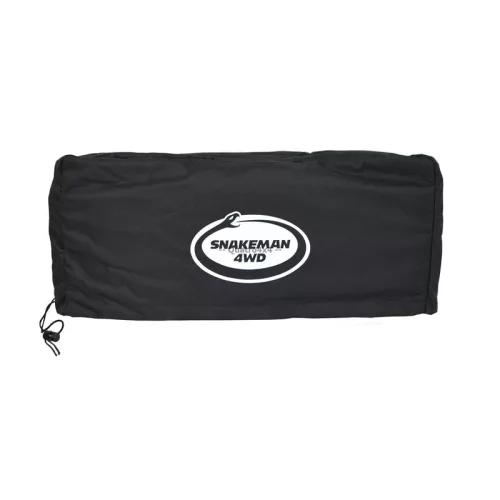
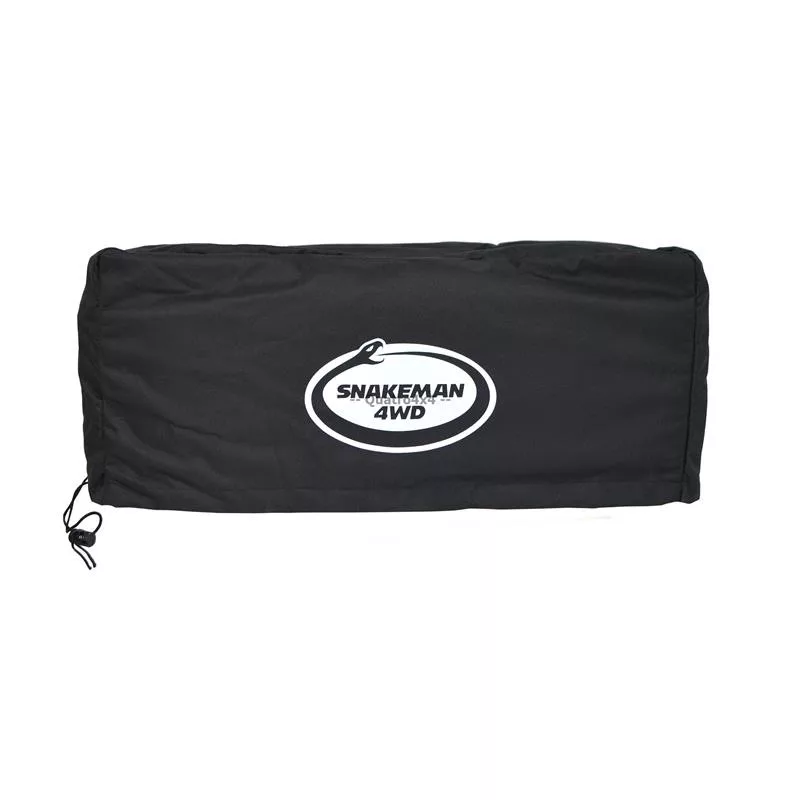
The winch cover is primarily used to protect the device from various external factors that can affect its functionality and durability. Here are some reasons why using a winch cover is beneficial:
Protection from weather conditions:
Rain and moisture: The cover protects the winch from rain, snow, and moisture that can cause corrosion of metal parts and electrical failures.
UV radiation: It protects the winch components from harmful UV radiation, which can cause degradation of materials such as synthetic ropes and plastic components.
Protection from contaminants:
Mud, dust, and sand: The cover prevents mud, dust, sand, and other contaminants from entering the winch mechanism, which could lead to jamming or damage.
Leaves and branches: When driving off-road, the winch is exposed to vegetation that can get tangled in the mechanism.
Mechanical protection:
Protection against mechanical damage: The cover can protect the winch from accidental impacts, scratches, or other mechanical damage that may occur while driving in difficult terrain.
Extended lifespan:
Reducing wear: By protecting the winch from external factors, the cover contributes to extending its lifespan, meaning the winch will operate reliably for a longer time.
Aesthetics:
Maintaining cleanliness: The cover helps keep the winch clean, which is important not only for its functionality but also for the aesthetics of the vehicle.
For these reasons, the cover is an important accessory that helps keep the winch in good technical condition by protecting it from harmful environmental effects and mechanical damage.

Our website uses cookies necessary for basic functionality. You can allow additional cookies for broader features (marketing, analytics, personalization). For more details, see our Privacy Policy in the Privacy Notice.
Essential cookies are critical for the website’s core functions, and the site will not work properly without them. These cookies do not store personally identifiable information.
We use marketing cookies to track visitors’ activity on the site. The goal is to show relevant ads to individual users (e.g., via Google Ads and Facebook Ads) and encourage engagement, making our website more valuable.
Statistical cookies help the website owner understand how visitors interact with the site by collecting and reporting data anonymously.
Personalization cookies let us remember information that changes how the website behaves or looks.